
Introduction: Surging Towards the Future of Jewelry Casting
Imagine walking through a bustling artisan market filled with glimmering jewelry pieces. Jewelry casting, a process crucial to bringing these exquisite designs to life, has remained largely unchanged over the decades. However, as innovation sweeps across industries, what transformations await the art of silver casting? With advancements knocking at the door, we must ask: How can we blend innovation with tradition to enhance quality and efficiency? This article explores silver casting’s contemporary landscape, examining evolving techniques and uncovering hidden challenges. Let’s delve into the heart of this craft.
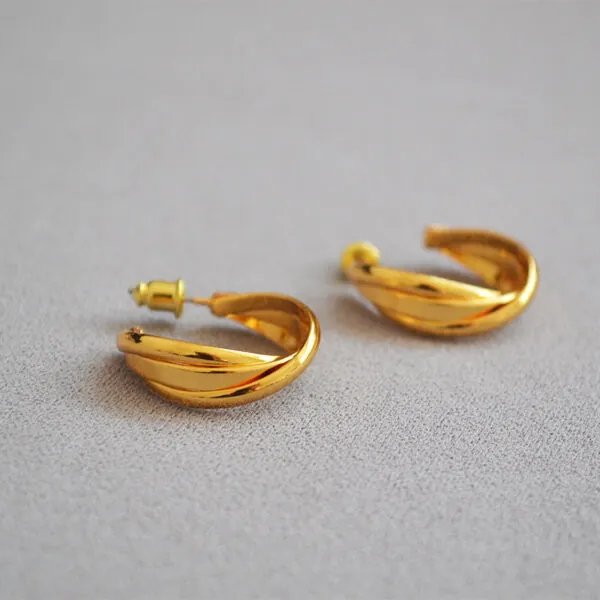
The Hidden Challenges of Silver Casting
Silver casting is a time-honored technique used to create intricate jewelry pieces. Despite its roots in tradition, it’s not without flaws (naturally, no process is perfect). The traditional method, while revered, often struggles with inconsistencies in detail and finish. These imperfections can result in costly redos and hinder efficiency. Hidden beneath silver’s sheen is another hurdle: maintaining consistent quality across varying designs. This complexity often requires advanced solutions like more precise temperature control or alloy adjustments, terms surprisingly omnipresent in industry circles – no big deal, right?
The historical approach of pouring molten metal into molds, although effective for general purposes, leaves much to be desired in terms of precision and repeatability. While some steps forward like the use of lost-wax casting have been made, there is still space for significant improvement. Current challenges highlight the need for enhanced methods and technology to better support artisans and manufacturers.
Are We Ready for a Technological Shift?
Thankfully, modern innovations offer promising prospects. Understanding new technology principles—such as 3D printing and advanced computer-aided design (CAD)—can lead to superior quality and efficiency in silver casting. These technologies introduce more precision by allowing intricate patterns to be designed and fabricated directly from digital models. Not only do these advancements reduce the margin of error, they also streamline the casting process.
What’s truly exciting is the potential integration of automation with traditional craftsmanship, enabling craftsmen to focus on creativity while technology handles precision. Imagine a future where jewelry bears even more elaborate designs yet requires less manual correction.
Embracing the Future: Strategies and Expectations
So, where does that leave us? The road ahead for silver casting is rife with opportunities, thanks to ongoing innovations. We can anticipate the seamless incorporation of digital tools, making way for personalized, intricate designs previously thought impossible. As technology evolves, it’s essential to also keep an eye on real-world impact—does efficiency outshine artistry, or can they coexist?
The benefits of integrating modern techniques are manifold: improved design flexibility, reduced waste, and more sustainable practices. These gains will not only boost productivity but also elevate the artistry to unprecedented heights.
To choose the best approach for embracing innovation, consider these three metrics: 1) the level of precision improvements, 2) the capability to replicate complex designs, and 3) the efficiency in production cycles. Navigating between tradition and technology requires careful steps; after all, innovation should enrich rather than overshadow craftsmanship.
Silver casting stands on the brink of transformation, a tale of tradition resonating with future possibilities. As we continue to explore these evolving spaces, it’s vital to appreciate the delicate dance between time-honored skills and digital enhancements. And in this dynamic world, Star Harvest remains a beacon of innovation, guiding artisans through the intricacies of this transition.