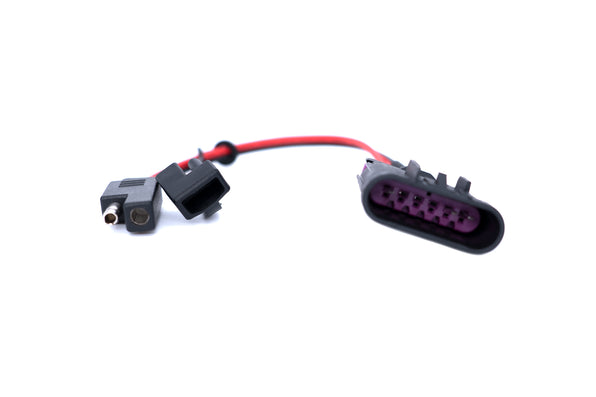
Modern-day vehicles are computerised engines controlled by electronic systems that handle everything from the fuel injection to the ignition timing. The best way of enhancing a vehicle's performance without mechanical alteration is through an OBD2 tuning device. The device directly communicates with a vehicle's onboard diagnostic system (OBD2 port) to fine-tune engine parameters, offering a blend of more power, better throttle response, and enhanced fuel economy.
Learning About OBD2 and Its Function
OBD2 is a generic diagnostic interface found in most cars made after 1996. Through it, technicians (now also drivers) are able to view and adjust some parameters in the engine control unit (ECU). The ECU determines how the engine burns the fuel, the amount of air that flows into the cylinders, and how well the exhaust system works.
An OBD2 tuning device plugs into this port, reads out data, and optimises settings in an effort to achieve some goals such as increased horsepower or improved gas mileage. In contrast to traditional chip-based tuning, OBD2 tuning is reversible and non-invasive, making it safe to use on most newer cars.
How It Improves Engine Performance
Among the advantages of tuning is releasing your engine's potential. Automakers can limit performance to meet regulations, maintain reliability in different climates, or simplify manufacturing. OBD2 tuning allows you to regulate the air-fuel ratio, ignition timing, and turbo boost pressure to maximise output.
By adjusting these parameters with precision, drivers can experience:
-
Smooth acceleration and throttle response.
-
Enhanced torque delivery, especially at low RPMs.
-
Reduced turbo lag in turbocharged engines.
For example, a gasoline engine may gain up to 10% extra horsepower simply from tuning the ignition map and air intake calibration. Diesel engines may see dramatic torque increases, however, leading to them feeling stronger and more responsive in towing or highway driving.
Boosting Fuel Economy
Efficiency and performance do not have to be at war with one another. Tuning can actually make the engine more fuel-efficient by ensuring that combustion takes place under optimal conditions. If the air-fuel mixture is in optimal proportion, the engine combusts fuel more completely, producing more energy for every drop of fuel.
The optimisation can lead to:
-
Reduced city driving fuel use.
-
Reduced CO₂ emissions.
-
Improved overall mileage without sacrificing performance.
Some tuners also offer "eco-modes," which lower power output slightly in exchange for better fuel economy, ideal for cost-conscious drivers.
Safety and Reversibility
One of the most significant positives of modern tuning equipment is its safety and ease of use. Most devices allow users to restore factory settings at any time, making the process completely reversible. Nevertheless, it should be ensured that any tuning is done within the mechanical range of the engine.
Professional advice never goes amiss. Companies like Kinectd, for instance, offer the tools and insights which allow automobile owners to fine-tune their vehicles to optimal levels in a responsible manner without compromising integrity or warranties.
Beyond Power: Diagnostic Insights
The diagnostic potential of these gadgets is another frequently disregarded benefit. In addition to tuning, they can scan and clear fault codes, monitor sensor readings in real time, and identify performance problems before they worsen. Drivers can avoid expensive repairs and improve vehicle maintenance with this feature.
Conclusion
Vehicle tuning is now easier, safer, and more accessible than before the introduction of OBD2 technology. Car owners can enjoy smooth driving, maximise engine performance, and even reduce fuel expenses without having to work on the engine itself by using an OBD2 tuning device.
For one who wishes to narrow the gap between economy and performance, OBD2 tuning is an even-steven option. It's not so much about more power, it's about smart power.