
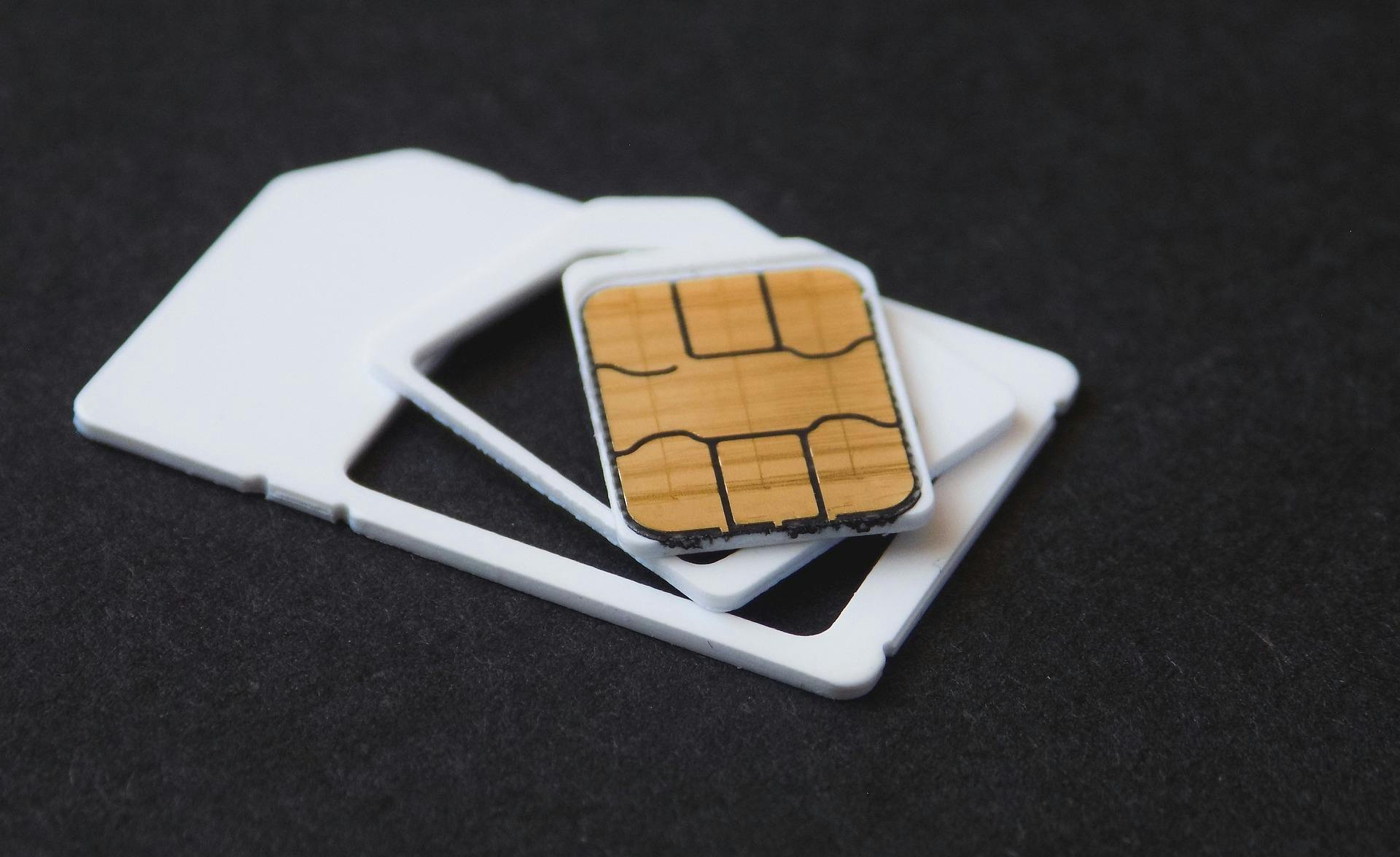
In an era where smartphones and mobile connectivity are crucial to our daily lives, it’s easy to overlook the small chip that makes it all possible. The SIM card (Subscriber Identity Module) is often taken for granted, yet it plays an indispensable role in how we stay connected to the world. Whether you're making a call, sending a text, or browsing the internet, this tiny card is responsible for ensuring your device can communicate with your mobile network.
In this article, we will explore the functions, history, and future of SIM cards and how this small piece of technology continues to shape the mobile landscape.
What is a SIM Card?
A SIM card is a small, removable smart card that serves as the key to accessing a mobile network. It contains critical information that allows a phone or other connected device to interact with a mobile carrier's network. This information includes your phone number, account details, subscriber identity, and encryption keys that ensure secure communication.
Without a SIM card, your mobile device can’t access cellular services like making calls, sending texts, or connecting to the internet. It’s the heart of mobile connectivity, enabling devices to authenticate users and securely access mobile services.
The History of SIM Cards
The journey of SIM cards began in the early 1990s with the rollout of GSM (Global System for Mobile Communications) networks. Before SIM cards, mobile phones were tied to specific carriers, making it difficult to switch phones or change carriers. The introduction of SIM cards allowed mobile phones to become much more flexible, as the SIM card stored the user’s identity and could be easily transferred between phones.
Over the years, as mobile phones became more compact and powerful, the design of SIM cards also evolved. Early SIM cards were quite large (the standard SIM), but as phones became slimmer and more compact, SIM card sizes followed suit.
Types of SIM Cards: From Standard to eSIM
SIM cards have evolved in terms of both design and functionality. Here's a look at the different types of SIM cards that have emerged over time:
-
Standard SIM: The first SIM card to hit the market, the standard SIM was large and measured 25mm x 15mm. It was used in early mobile phones and is now considered obsolete, replaced by smaller sizes as mobile phones became thinner and more powerful.
-
Micro SIM: The micro SIM card, introduced in 2003, measures 15mm x 12mm and became widely adopted with the rise of smartphones like the iPhone 4. While it’s still found in older devices, newer devices have moved on to smaller forms of SIM cards.
-
Nano SIM: The nano SIM, which is the most common today, measures just 12.3mm x 8.8mm. This compact size is used in most modern smartphones, including flagship devices from companies like Apple, Samsung, and Google.
-
eSIM: The most recent evolution of SIM technology is the eSIM (embedded SIM). Unlike traditional SIM cards, eSIMs are embedded directly into the device and cannot be removed or swapped. eSIM technology allows for remote provisioning, meaning users can switch carriers or plans digitally, without needing a physical SIM card. This technology is becoming increasingly popular in devices like smartwatches, tablets, and future smartphones.
How SIM Cards Work
SIM cards work by storing your unique IMSI (International Mobile Subscriber Identity), which is used to authenticate your device when it connects to a mobile network. Here’s a simplified explanation of how a SIM card functions:
-
Identification and Authentication: When you insert your SIM card into a mobile device, the device communicates with the carrier’s network. The network uses the IMSI number on the SIM card to authenticate your phone and verify that you’re allowed to use its services.
-
Network Access: After authentication, the SIM card allows your device to access the network for services like calls, texts, and mobile data. The SIM card facilitates the secure connection between your device and the mobile carrier’s infrastructure.
-
Encryption: SIM cards also provide security by storing encryption keys. These encryption keys ensure that any data sent over the network, such as phone calls or text messages, remains private and secure. Without this encryption, sensitive data could easily be intercepted or compromised.
-
Roaming: SIM cards are also essential for roaming, which allows your device to stay connected when you travel internationally. When you’re in another country, you can swap your home SIM card for a local one to access cheaper rates for calls, texts, and data.
The Advantages of Using SIM Cards
SIM cards provide several key benefits that have made them indispensable to mobile communication:
-
Portability and Flexibility: One of the biggest advantages of SIM cards is that they make it easy to switch devices. If you upgrade to a new phone or need to use a backup device, all you need to do is swap the SIM card, and your phone number and account information transfer with it.
-
Global Connectivity: With a 旅行電話卡 , you can easily access mobile networks across the globe. When you travel abroad, you can purchase a local SIM card for cheaper rates and avoid expensive international roaming charges. This global mobility is a major advantage for frequent travelers.
-
Security: SIM cards use encryption to protect your communications, ensuring that your calls, texts, and mobile data are secure. Additionally, SIM cards can be locked with a PIN to prevent unauthorized access if your phone is lost or stolen.
-
Dual SIM Capability: Many modern smartphones offer dual SIM functionality, which allows you to use two SIM cards in one device. This is especially useful for people who want to separate their work and personal phone numbers or those who need to use a local SIM while keeping their original number.
The Future of SIM Cards: eSIM and Beyond
While traditional SIM cards are still in use, the rise of eSIM technology marks a shift toward a future where physical SIM cards may eventually become obsolete. eSIM technology offers several key advantages:
-
Remote Activation: With eSIM, users can switch carriers or activate new service plans without needing to physically swap out SIM cards. This makes it easier to manage your mobile network and enjoy greater flexibility.
-
Space Efficiency: As eSIMs are embedded in the device itself, they free up valuable space, allowing for slimmer devices or additional features.
-
Multiple Profiles: eSIM technology allows multiple carrier profiles to be stored on the same device. This means that users can have different phone numbers or carrier plans for different regions, which is particularly useful for international travelers or business users.
While eSIM technology is still in the early stages, it’s gaining traction, with companies like Apple, Google, and Samsung already adopting eSIM in their devices. As 5G networks roll out and more IoT devices (like connected cars and smart home appliances) become commonplace, eSIMs are expected to become the standard for many mobile devices in the future.
Conclusion
The SIM card may be small, but it plays an essential role in how we stay connected in today’s world. From its humble beginnings in the early 1990s to the advent of eSIM technology, SIM cards have been at the heart of mobile communication. Their ability to authenticate users, provide secure connections, and offer flexibility has made them a cornerstone of modern mobile networks.
As mobile technology continues to evolve, the role of SIM cards will evolve with it. Whether in its traditional form or as part of the emerging eSIM technology, the SIM card will remain an indispensable link between us and the global mobile network, helping to keep us connected in an increasingly digital world.