
The safety of your home often depends on a door you rarely think about until it stops working. When it comes to garage door repairs, many homeowners assume they can solve problems with a few tools and quick online tutorials. But this confidence can be risky. Some garage door repairs are simple, like tightening loose screws or lubricating rollers. However, many other garage door repairs are dangerous, complicated, and capable of causing serious injury or expensive damage when handled without professional training.
In this comprehensive guide, we will explore the top 10 garage door repairs you should never attempt on your own. You will learn why they require expert handling, what dangers they pose, and how to recognize when it’s time to call a trained technician.
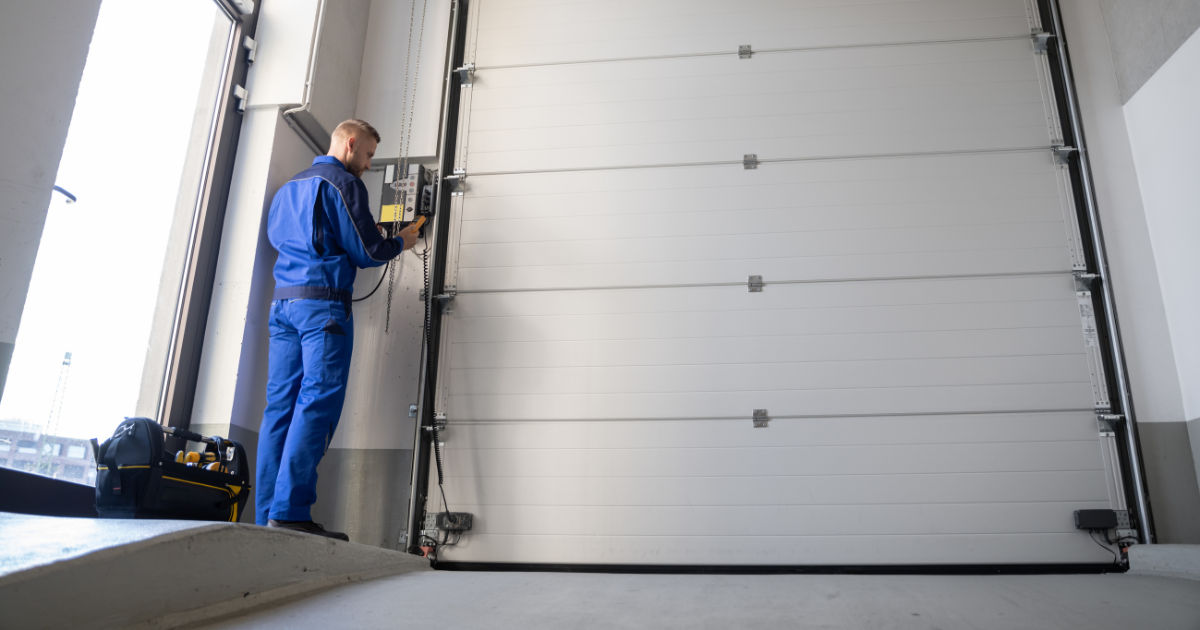
Whether your door is stuck, noisy, unbalanced, or showing signs of wear, understanding these critical garage door repairs will help keep your home safe and your family protected.
This guide is written in short paragraphs, easy to read, and deeply detailed so that every homeowner can make informed decisions and avoid the risks of DIY garage door repairs.
1. Broken Torsion Spring Replacement
Torsion springs carry the full weight of your garage door. When these springs break, your door becomes extremely heavy and unsafe. Attempting this type of garage door repairs yourself can lead to catastrophic injury because torsion springs store massive amounts of tension.
Professionals use special winding bars and controlled techniques to remove the spring tension safely. Without these tools, the spring can snap loose, causing broken bones, severe cuts, or accidental impact. Torsion springs must also be balanced precisely to ensure the door opens and closes smoothly. Poorly installed springs shorten the lifespan of your entire system. This is one of the most dangerous garage door repairs, and it should never be handled without certified training.
2. Cable Repairs and Replacements
Garage door cables work together with torsion or extension springs to lift your door. When cables fray or break, the weight of the door becomes uneven. Many homeowners think they can simply remove and attach a new cable, but this is one of the most deceptive garage door repairs.
Cables are under extreme tension. When they snap loose, they can whip with incredible force, causing facial injuries, deep cuts, or even blindness. Professionals understand how to secure the door, release tension, and reattach cables using safe procedures. Because of the danger and precision required, cable-related garage door repairs should always be left to trained technicians.
3. Track Realignment or Replacement
Misaligned tracks cause loud grinding noises, slow movement, and crooked door operation. Although track adjustment appears simple, it is one of the more complicated garage door repairs because tracks must be perfectly aligned to guide the heavy door smoothly.
Attempting to loosen track bolts and shift the tracks by hand can cause the entire system to collapse. Even a slight misalignment can strain the rollers, warp the door panels, and lead to expensive structural damage. Professional technicians consider weight distribution, track spacing, door balance, and roller angles when performing track-related garage door repairs. Mistakes can cost more than hiring a pro from the start.
4. Garage Door Panel Replacement
Damaged panels may look like an easy fix, but replacing them involves disconnecting the door, balancing the weight, and ensuring the new panel fits securely. Many panels are heavy, and lifting them incorrectly can injure your back or pinch your fingers. This makes panel replacement one of those garage door repairs best left to experts.
If panels are not installed correctly, the entire door can become misaligned. This leads to stress on hinges, rollers, and the opening system. Professionals have the tools and experience to remove, align, and secure panels safely. DIY mistakes can turn a minor issue into a full-door replacement. This is why panel work remains one of the critical garage door repairs homeowners should avoid doing themselves.
5. Opener Motor Repairs
The garage door opener seems like a simple device, but inside the motor system are wires, sensors, circuit boards, and delicate electronic components. Motor-related garage door repairs require electrical knowledge and precise troubleshooting.
DIY attempts often lead to short circuits, ruined motors, and damage to connected wiring in the garage. Professionals perform diagnostic tests to check voltage, sensor alignment, gear wear, and internal components. They can determine whether the motor needs repair or full replacement. Because electrical work can lead to fire hazards or shock injuries, these garage door repairs should always be handled by experts.
6. Sensor Calibration and Safety System Repairs
Modern doors include safety sensors that prevent the door from closing on a person, pet, or object. When sensors fail, the door may reverse unexpectedly or refuse to close. Many homeowners try to adjust wires or force alignment using trial and error, which often leads to bigger problems.
Sensor calibration is one of those garage door repairs that requires precise measurements. If sensors are not perfectly aligned, the entire system becomes unreliable. Professionals use tools to measure reflection paths, test wiring connections, and ensure the safety system meets current standards. Because malfunctioning sensors pose real danger to children and pets, this type of garage door repairs is too important to risk doing yourself.
7. Roller Replacement on Heavy Doors
Rollers allow your garage door to glide smoothly along the tracks. While replacing a single roller might seem easy, removing rollers incorrectly can cause the entire door to fall off the track. This is why roller replacement remains one of the most dangerous garage door repairs for homeowners.
Many garage doors weigh between 150 to 400 pounds. If the door shifts during roller replacement, it can crush hands, feet, or even cause life-threatening injuries. Professional technicians secure the door, release tension safely, and use proper tools to manage heavy-door procedures. For these reasons, roller-related garage door repairs are best left to trained experts.
8. Full Door Rebalancing
A balanced door reduces strain on the opener and ensures smooth operation. But rebalancing is not as simple as adjusting a screw or tightening a bolt. Door balance involves precise counterweights, spring tension adjustments, track positions, and roller conditions. Poor balancing is one of the most common reasons homeowners experience repeated garage door repairs.
Rebalancing the door incorrectly can lead to snapped springs, sudden door drops, and increased wear on cables. Professionals follow specific calculations to achieve correct balance. Because of the risks associated with spring tension, rebalancing is one of the most technical garage door repairs homeowners should never attempt.
9. Structural Frame Repairs
When the wooden frames or metal support brackets holding your garage door weaken, your entire system becomes unstable. Repairing structural support requires more than hammering nails or tightening brackets. These garage door repairs often involve cutting, leveling, drilling, and reinforcing materials.
A door that is not properly supported can collapse or tilt unexpectedly. Professionals understand how to evaluate damage and rebuild support structures safely. Incorrect repairs can lead to long-term alignment issues, repeated breakdowns, and expensive replacements. Because of the complexity and safety risks, structural frame garage door repairs should never be done by homeowners.
10. Full Door Replacement
A full garage door replacement is not an ordinary project. It involves removing the old door, disconnecting the opener, adjusting spring systems, installing new tracks, balancing the door, and calibrating sensors. Trying to perform this set of garage door repairs without professional training is extremely dangerous.
A full replacement requires precise measurements and mechanical skill. Even small mistakes lead to slanted tracks, damaged panels, or failures in the lifting system. Professionals perform these garage door repairs with the help of specialized tools, safety protocols, and experience. DIY attempts can damage the entire mechanism and pose serious risks to anyone in the garage.
Why DIY Garage Door Repairs Are So Dangerous
Many homeowners underestimate the complexity of garage door repairs, believing that general tools and online tutorials are enough. But garage doors are large mechanical systems with heavy components and tension-loaded springs. DIY attempts commonly lead to:
-
severe injuries
-
property damage
-
expensive follow-up repairs
-
improper installation
-
long-term operational issues
Professionals train for years to handle hazardous parts safely. They use industrial-grade tools, precision measuring devices, and safety procedures you cannot replicate at home. For these reasons, most major garage door repairs must be handled by experts.
Conclusion
Your garage door is one of the largest moving systems in your home, and it deserves proper care. While small tasks like cleaning tracks or adding lubrication can be safe for homeowners, the majority of essential garage door repairs involve risk, precision, and specialized training. Broken springs, damaged cables, misaligned tracks, unstable panels, malfunctioning motors, and structural frame issues are not simple projects. They are dangerous, high-tension mechanical challenges.
Understanding which garage door repairs require professional handling protects you from injury, preserves the lifespan of your door, and prevents expensive damage. When you notice unusual noises, slow movement, imbalance, or structural wear, it is always better to call a trained technician. Choosing professional help means choosing safety, reliability, and long-term performance.
Do not take chances with dangerous garage door repairs. Protect yourself, your family, and your home by recognizing when expert service is the only safe option.