
Every year, as Eid approaches, markets, brands, and designers shift their focus toward creating the perfect eid collection. This is not a coincidence. Seasonal trends play a powerful role in shaping how an eid collection looks, feels, and performs in the market.
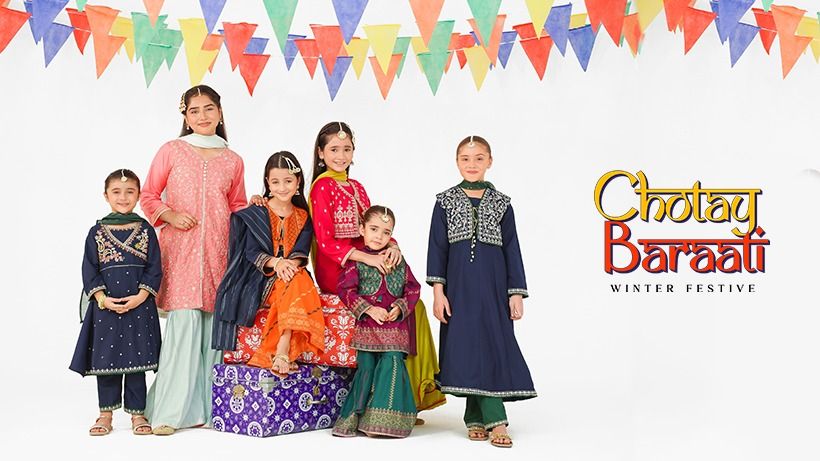
From fabric choices to color palettes, and from designs to customer expectations, the season defines almost every decision.
For a 12th-grade audience, it is important to understand that fashion does not exist in isolation. It reacts to weather, culture, emotions, and buying behavior. That is why the eid collection you see in summer feels very different from one launched during a cooler season. Seasonal trends help brands stay relevant, practical, and emotionally connected to buyers.
This comprehensive guide explains, in simple words, why seasonal trends shape every eid collection, how these trends develop, and why they matter for both consumers and businesses.
Seasonal Trends in Fashion
Seasonal trends are patterns that change with the time of year. These trends influence colors, fabrics, designs, and even marketing styles.
Fashion follows seasons because people’s needs change. Weather affects comfort. Culture affects style. Festivals affect emotions. All these factors come together during Eid, making the eid collection highly seasonal.
Seasonal trends are shaped by:
-
Climate and temperature
-
Cultural traditions
-
Global fashion movements
-
Consumer lifestyle changes
An eid collection that ignores these trends often feels outdated or impractical.
The Cultural Importance of Eid in Fashion
Eid is not just a religious festival. It is also a social and cultural event. People meet family, attend gatherings, and share meals. Clothing becomes a way to express joy and identity.
An eid collection reflects:
-
Celebration and happiness
-
Respect for tradition
-
Modern fashion sense
Seasonal trends help designers balance tradition with modern style. For example, light embroidery is preferred in summer, while richer textures appear in winter-based eid collection designs.
How Weather Influences Eid Collections
Weather is one of the strongest reasons seasonal trends shape an eid collection.
Summer Eid Collections
When Eid falls in summer, comfort becomes a priority. Heat and humidity affect fabric and design choices.
Common features include:
-
Breathable fabrics like cotton and lawn
-
Light colors that reflect heat
-
Loose-fitting designs
A summer eid collection focuses on comfort without sacrificing elegance.
Winter Eid Collections
When Eid falls in winter, warmth becomes important.
Winter trends include:
-
Khaddar, velvet, and linen fabrics
-
Darker, richer colors
-
Layered outfits
A winter eid collection feels heavier and more luxurious due to seasonal needs.
Fabric Choices Change With Seasons
Fabric selection is a key reason seasonal trends shape an eid collection.
Designers choose fabrics based on:
-
Temperature
-
Skin comfort
-
Movement and flow
In summer, an eid collection avoids heavy fabrics. In winter, it embraces them. Seasonal trends guide these choices to ensure people enjoy wearing the outfits throughout the day.
Color Trends and Seasonal Psychology
Colors have a psychological impact. Seasonal trends influence which colors dominate an eid collection.
Summer Color Trends
Summer colors are usually:
-
Pastels
-
Whites and creams
-
Soft florals
These colors feel fresh and calming, perfect for warm weather Eid celebrations.
Winter Color Trends
Winter colors are deeper and richer, such as:
-
Maroon
-
Emerald green
-
Navy blue
A winter eid collection uses these colors to create warmth and elegance.
Changing Consumer Expectations During Eid
Consumer behavior changes with seasons. Buyers expect an eid collection to match their immediate needs.
During hot seasons, buyers want:
-
Breathable outfits
-
Easy-to-wear designs
During cooler seasons, buyers look for:
-
Stylish layers
-
Rich textures
Seasonal trends help brands meet these expectations effectively.
The Role of Global Fashion Trends
Global fashion influences local eid collection designs. Designers observe international fashion weeks and adapt trends to local culture.
For example:
-
Wide sleeves from global runways may appear in an eid collection
-
Minimalist embroidery trends influence modern Eid outfits
Seasonal trends help filter global ideas into culturally appropriate designs.
Seasonal Trends and Traditional Wear
Traditional clothing remains central to every eid collection, but seasonal trends change how it looks.
For example:
-
Shalwar kameez designs vary by season
-
Dupatta styles change based on fabric trends
Seasonal updates keep traditional wear fresh and appealing.
Impact of Seasonal Trends on Men’s Eid Collections
Men’s fashion is also shaped by seasonal trends.
A summer eid collection for men may include:
-
Light kurtas
-
Soft pastel shades
A winter eid collection may feature:
-
Waistcoats
-
Darker tones
Seasonal trends ensure men’s Eid outfits are both stylish and practical.
Children’s Eid Collections and Seasonal Needs
Children’s clothing must prioritize comfort and safety.
Seasonal trends shape children’s eid collection by focusing on:
-
Soft fabrics
-
Easy movement
-
Weather-appropriate designs
Parents prefer outfits that match the season and allow children to enjoy Eid freely.
Seasonal Trends and Festive Embellishments
Embroidery and embellishments change with seasons.
Summer eid collection designs use:
-
Light threadwork
-
Minimal detailing
Winter designs include:
-
Heavier embroidery
-
Textured embellishments
Seasonal trends ensure outfits are not uncomfortable or overwhelming.
Marketing and Seasonal Timing of Eid Collections
Seasonal trends also influence how an eid collection is marketed.
Brands plan launches based on:
-
Weather forecasts
-
Shopping behavior
-
Seasonal buying cycles
For example, lighter eid collection pieces are promoted earlier in summer to meet demand.
Social Media and Seasonal Influence
Social media amplifies seasonal trends.
Influencers showcase:
-
Seasonal styling ideas
-
Weather-appropriate outfits
This shapes public perception of the ideal eid collection for that season.
Economic Factors and Seasonal Trends
Seasonal trends also affect pricing.
Summer eid collection items may be:
-
More affordable
-
Mass-produced
Winter collections often:
-
Cost more due to heavy fabrics
-
Target premium buyers
Brands align pricing strategies with seasonal expectations.
Sustainability and Seasonal Eid Collections
Sustainability is becoming important in fashion.
Seasonal trends encourage:
-
Eco-friendly fabrics
-
Long-lasting designs
A thoughtful eid collection considers environmental impact while staying trendy.
Why Ignoring Seasonal Trends Can Harm Eid Collections
When brands ignore seasonal trends, problems arise.
These include:
-
Uncomfortable outfits
-
Low sales
-
Poor customer feedback
A successful eid collection respects the season it is launched in.
How Designers Predict Seasonal Trends
Designers use research to predict trends.
They analyze:
-
Past Eid sales
-
Weather patterns
-
Fashion forecasts
This helps them create a well-planned eid collection.
Regional Differences and Seasonal Trends
Seasonal trends vary by region.
For example:
-
Hot regions prefer lighter eid collection styles
-
Cooler regions accept heavier designs
Brands adjust collections based on regional climate.
The Emotional Connection Between Season and Eid Fashion
Seasons affect emotions.
Summer feels bright and energetic. Winter feels calm and cozy.
An eid collection captures these emotions through design and color. Seasonal trends help connect fashion with feelings.
Seasonal Trends and Accessories in Eid Collections
Accessories are also seasonal.
Summer eid collection accessories include:
-
Light jewelry
-
Simple footwear
Winter accessories may include:
-
Heavier jewelry
-
Closed shoes
Seasonal trends guide these choices.
Long-Term Impact of Seasonal Trends on Eid Fashion
Over time, seasonal trends shape the evolution of Eid fashion.
Designers learn what works best for each season. This knowledge improves future eid collection designs.
Conclusion
Seasonal trends are not just fashion rules. They are practical guidelines shaped by weather, culture, and consumer needs. Every successful eid collection respects these trends to deliver comfort, beauty, and relevance.
From fabric and color to marketing and pricing, seasonal trends influence every step of creating an eid collection. They ensure outfits are wearable, stylish, and emotionally meaningful. Ignoring seasonal trends can lead to discomfort and low demand, while embracing them creates collections people love to wear.
In simple words, seasonal trends shape Eid collections because Eid itself is experienced differently each season. Fashion adapts so people can celebrate fully, comfortably, and confidently. That is why every memorable eid collection begins with understanding the season it belongs to.